



At Balrampur Chini Mills Limited, we are dedicated to fostering equitable and sustainable economic, social, environmental, and cultural growth for underprivileged communities, especially around our factories and corporate office. Over the years, we have focused on enhancing lives through sustainable livelihoods, education, healthcare, and sanitation.
Our CSR vision is to drive social and economic change for marginalized groups by supporting livelihood initiatives that improve quality of life and contribute to building a better India.
Our CSR Policy and Our Social Impact Assessment Report
Socially Conscious Corporate Citizen
Empowerment
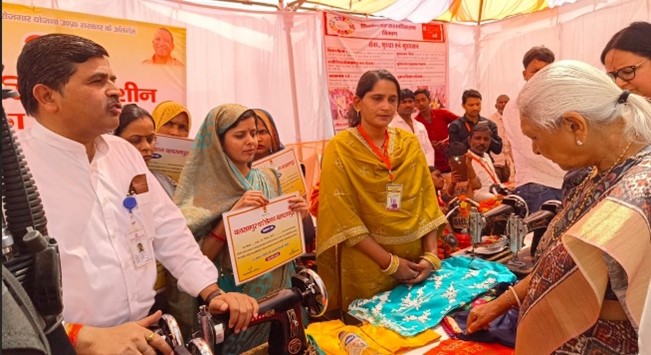
In the last 5 years 2,391 women have been supported with livelihood opportunities
Around 4,440 women were provided with Adult Literacy program
Agriculture
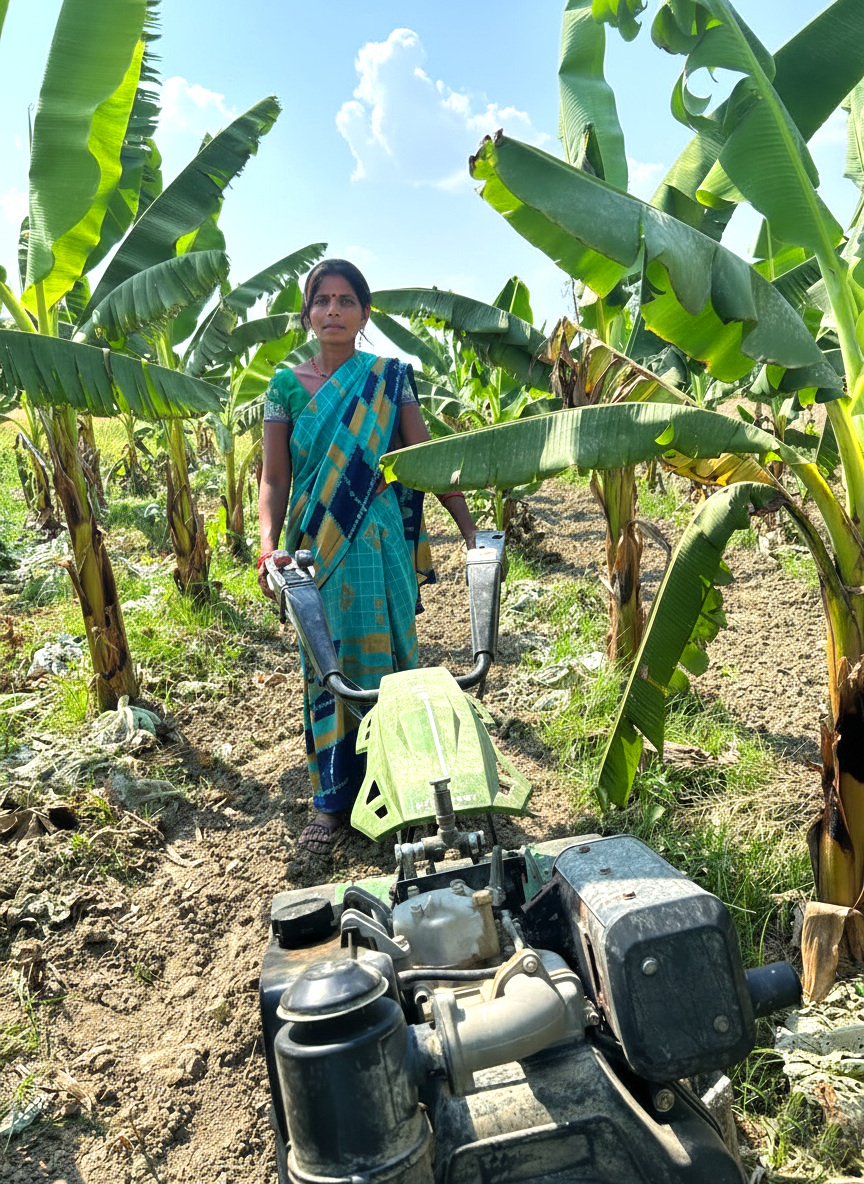
In the last 5 years, 31,000+ farmers were supported with equipment and training
More than 100 waterbodies rejuvenated for improved irrigation
Environment
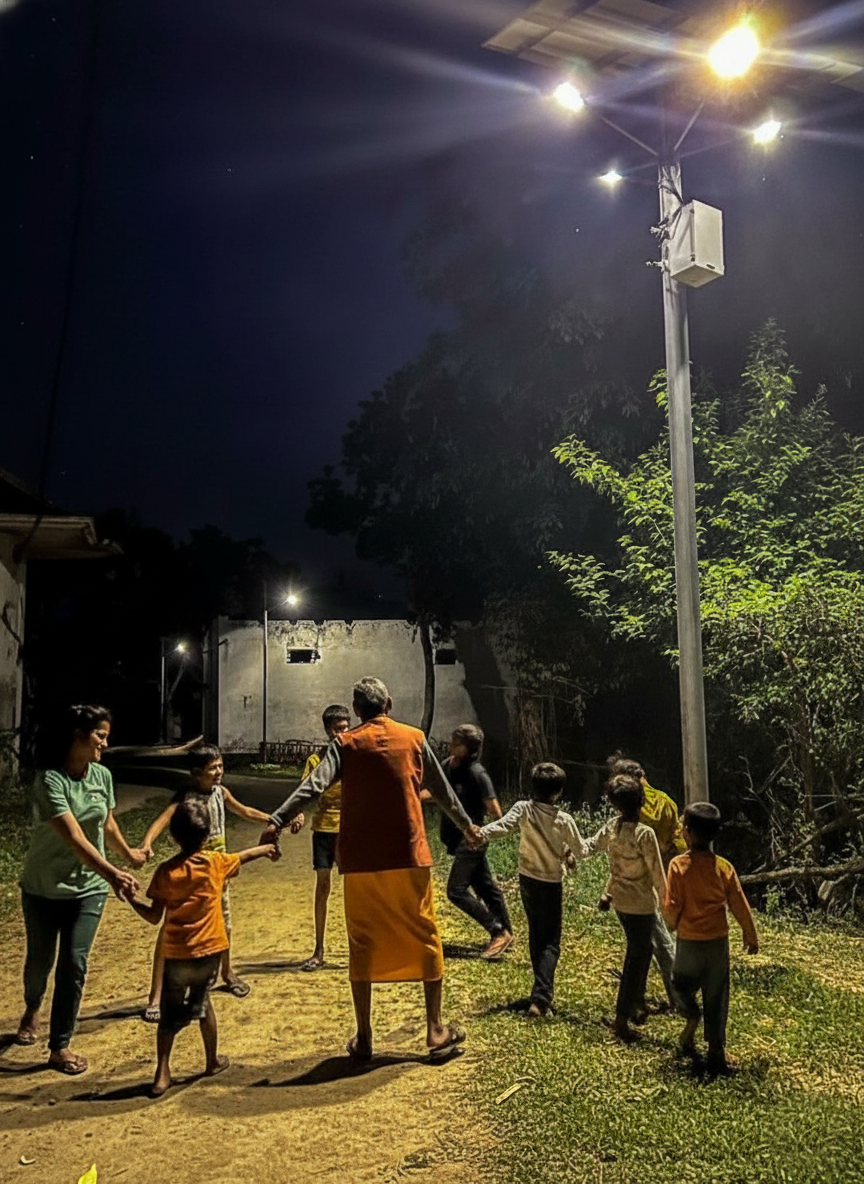
In the past five years, over 1,300 solar lights were installed
About 6.6 lakh trees planted
Education
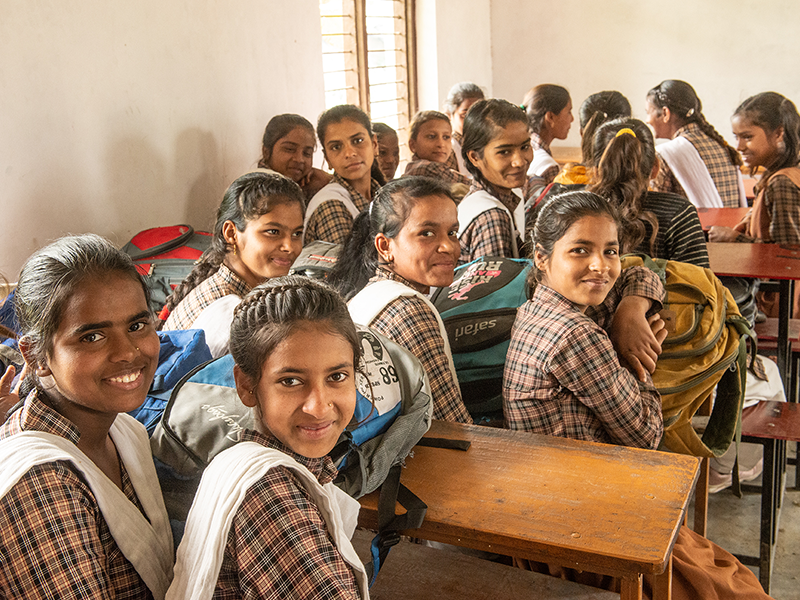
In the past five years: Over 200,000 students have benefited.
Infrastructure support has been provided to 150 schools.
Health and Sanitation
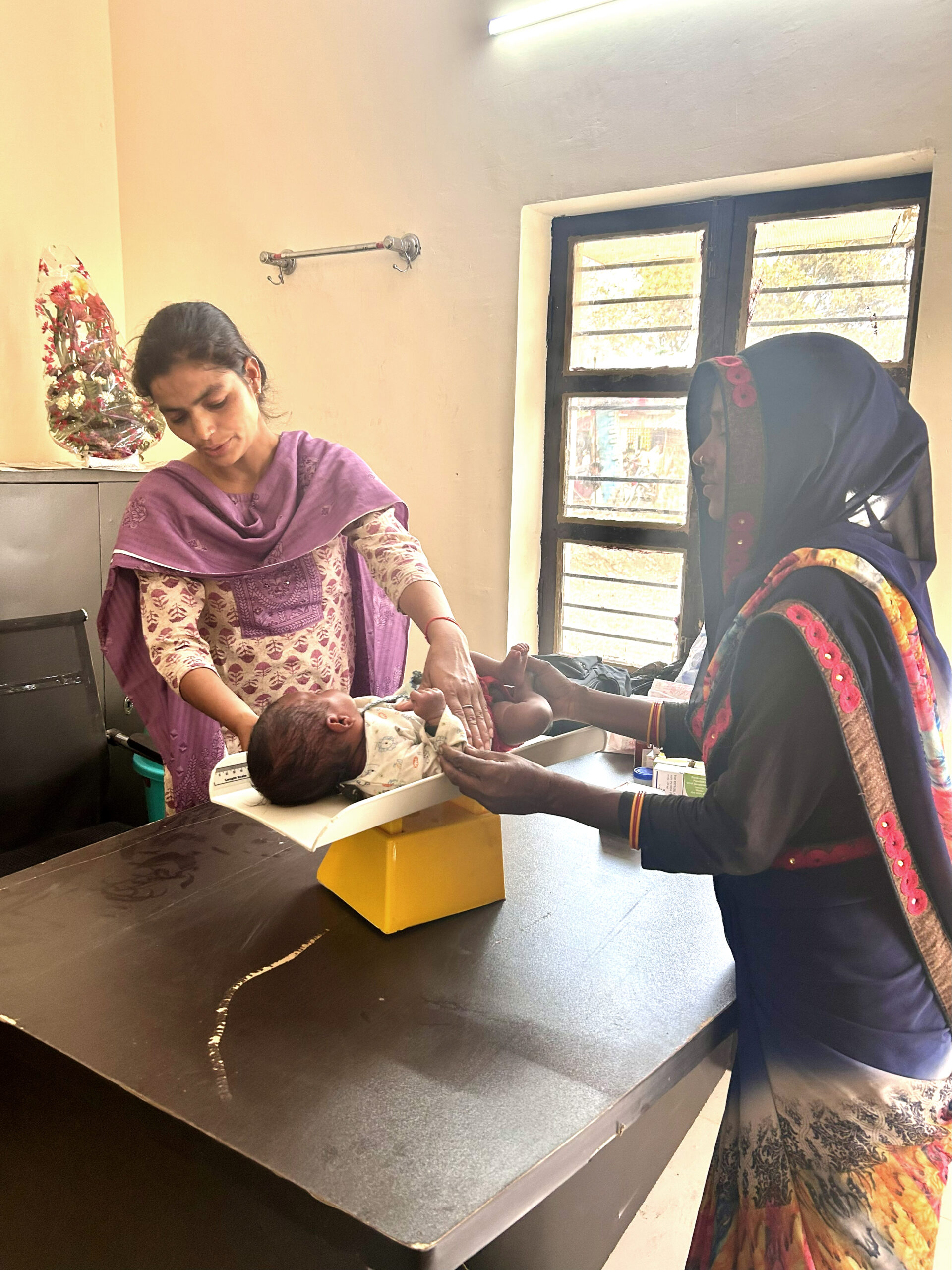
In the last 5 years around 40 Healthcare facilities supported
More than 2 lakh patients benefited
Education
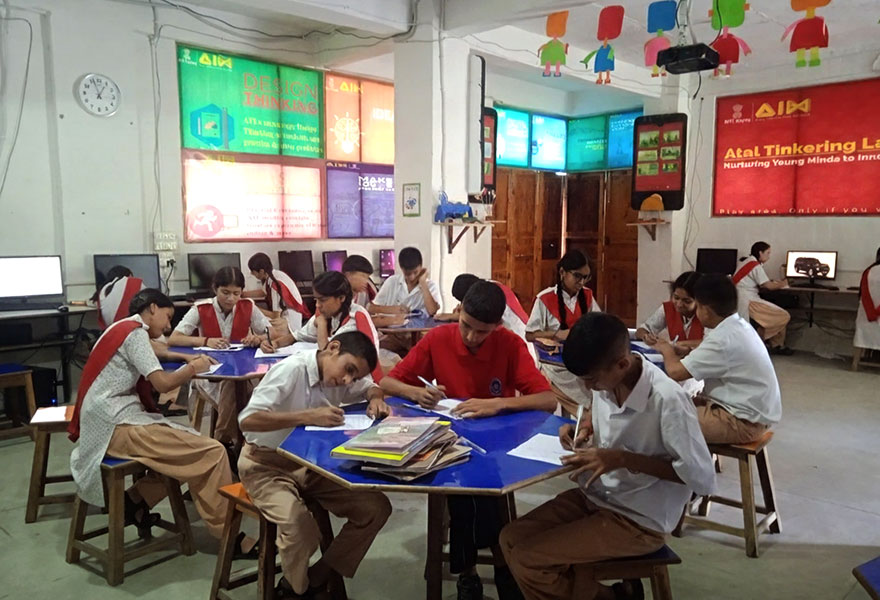
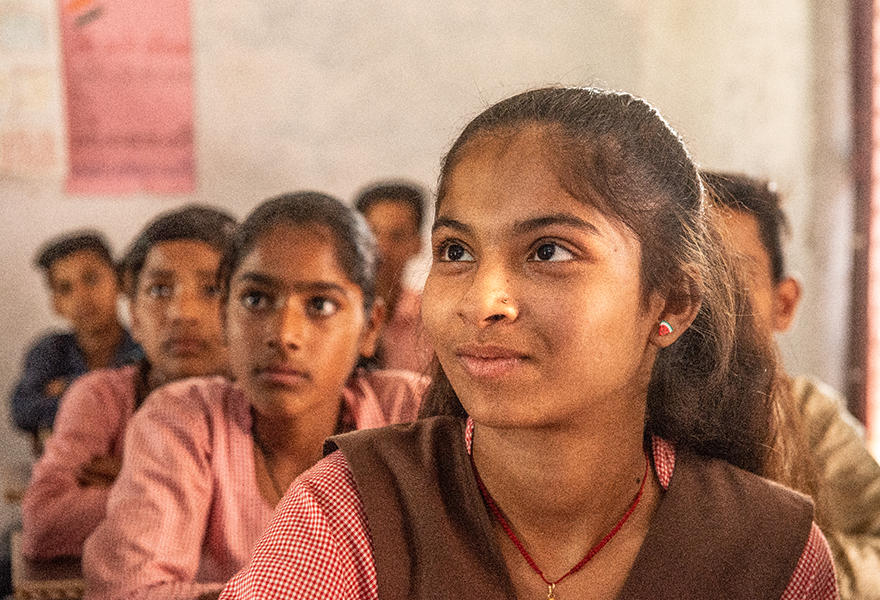
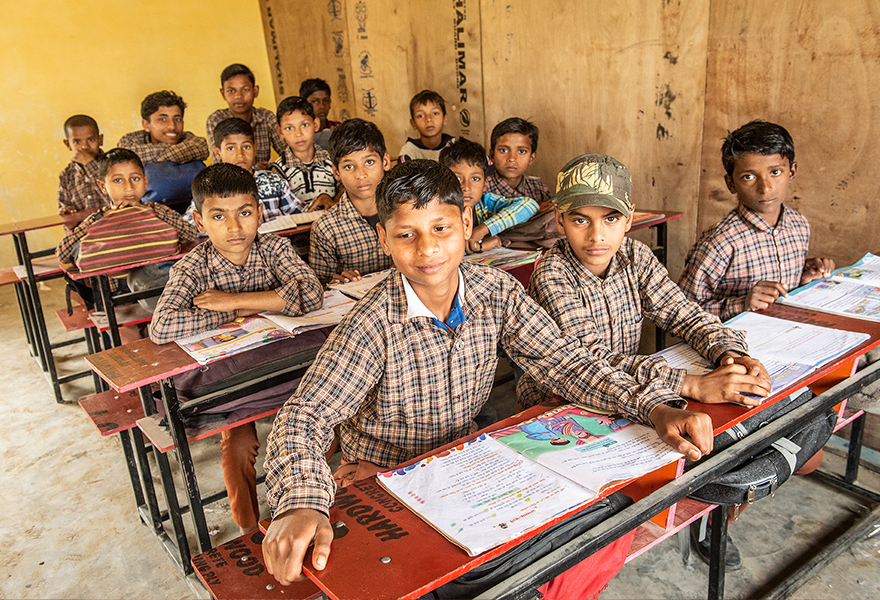
Aligned with SDG 4 (Quality Education) and SDG 5 (Gender Equality), BCML is dedicated to advancing holistic education and well-being in Uttar Pradesh. The company has strengthened school infrastructure by establishing safe, well-equipped smart classrooms, libraries, and learning spaces that enhance teaching quality and student engagement.
To promote experiential and skill-based learning, BCML runs initiatives such as community science fairs, hands-on workshops, vocational programs, and the Mobile Science Lab in collaboration with Agastya International Foundation. These efforts bring practical, interactive science education to rural schools, fostering creativity, critical thinking, and essential career-ready skills among students.
While education remains the core focus, BCML also supports gender equality by ensuring that girls have equal access to learning opportunities. Through these integrated efforts, BCML is nurturing an educated, skilled, and inclusive society poised for long-term social and economic growth.
Healthcare
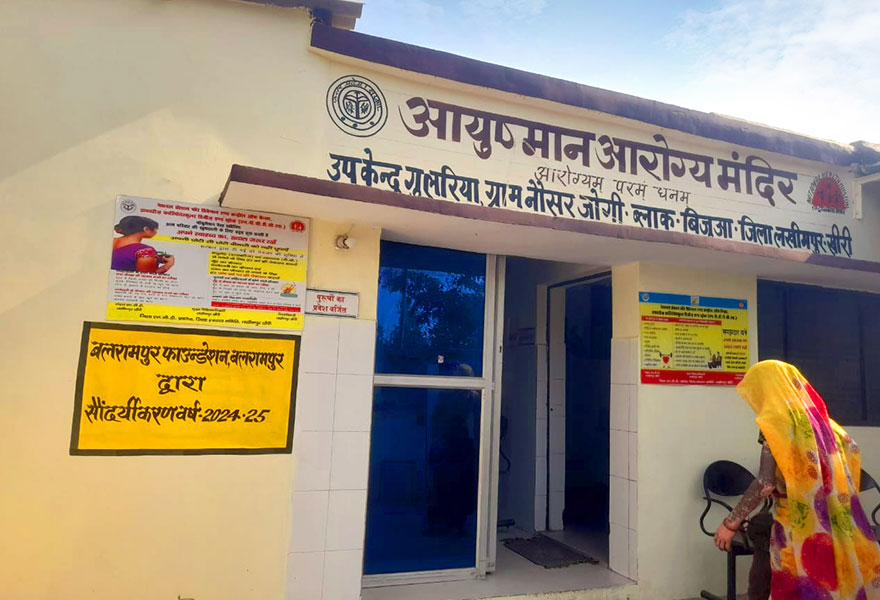
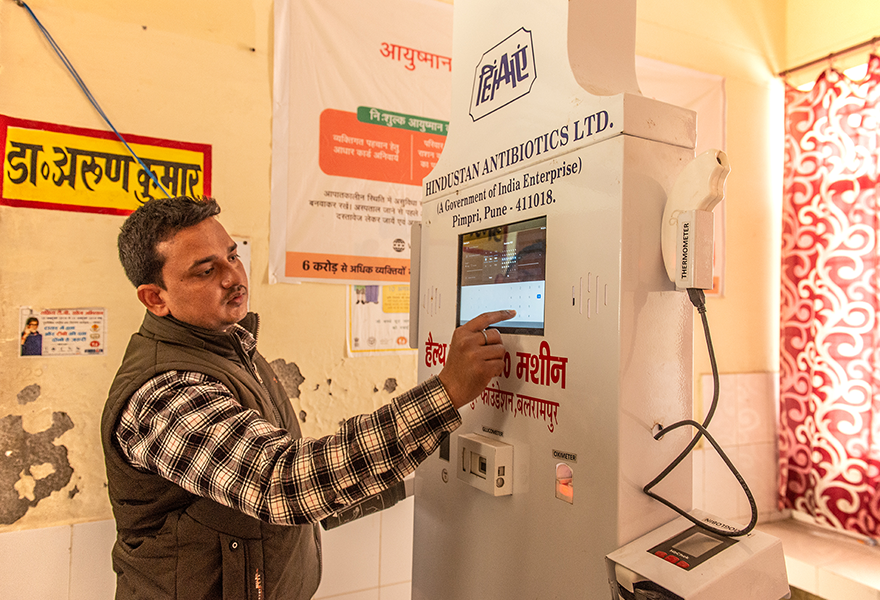
Dedicated to improving healthcare access in underserved regions, the initiative focuses on both curative and preventive care. Support is extended to rural healthcare facilities and ANM centres, ensuring essential medical services reach even remote communities, with emphasis on maternal and child health, routine check-ups, and timely medical attention.
Preventive measures are a key component, including the distribution of mosquito nets and blankets, cleaning of drainage systems, fogging drives, and community hygiene campaigns. These efforts help reduce the spread of diseases and promote overall health awareness, encouraging safer and healthier living environments.
Special attention is also given to children with disabilities, facilitating access to medical care, therapy, and learning resources. By combining these interventions, the program strengthens rural healthcare systems, fosters inclusivity, and supports resilient, healthier communities.
Sustainable livelihood/Agriculture:
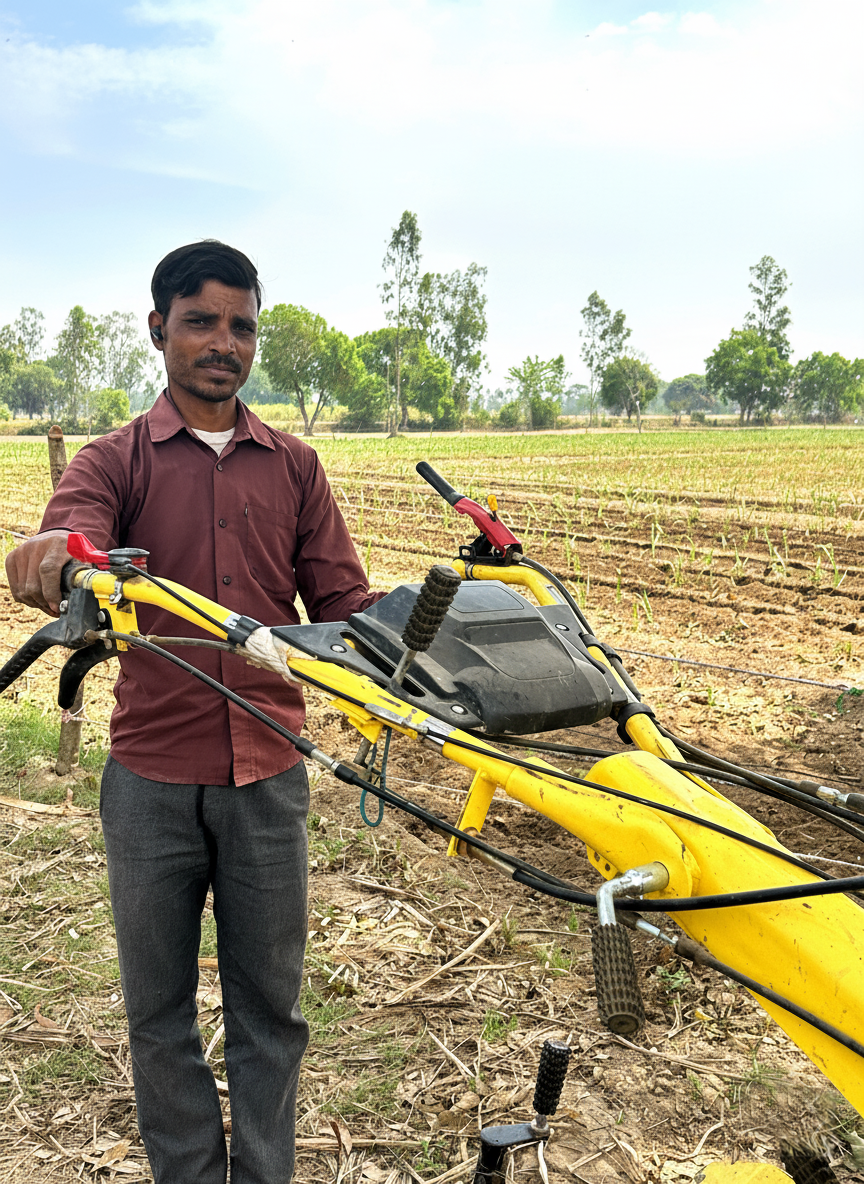
The initiative supports marginal farmers by promoting climate-resilient and efficient agricultural practices. By combining modern technology with traditional methods, farmers are better equipped to adapt to changing conditions and improve crop yields.
Access to advanced tools like laser land levellers, solar fencing, pumps, and tillers, along with support for pond construction and water body rejuvenation, has eased labor, improved resource management, and lowered costs. These interventions enhance farm productivity and sustainability.
Alongside equipment, targeted training helps farmers adopt sustainable practices and make informed decisions. By integrating technology, skill-building, and resource management, the program strengthens livelihoods and fosters resilience within farming communities.
Women empowerment:
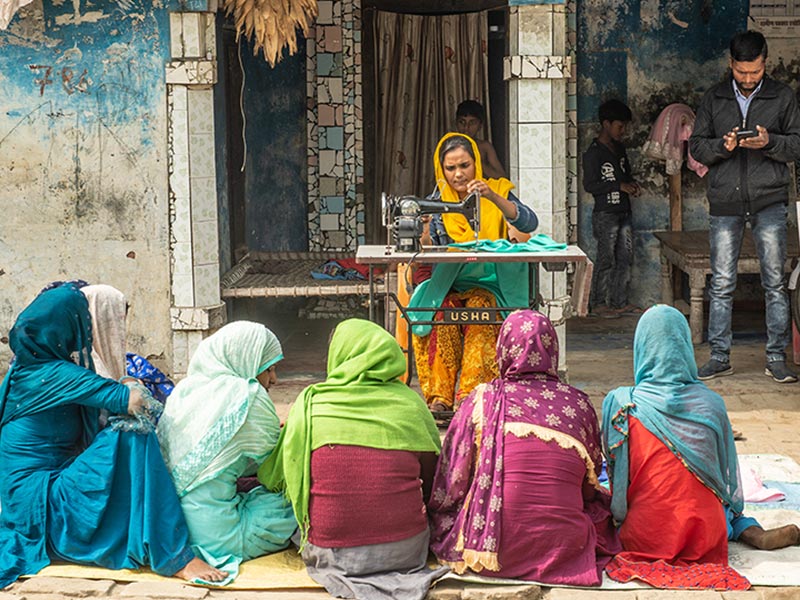
To promote inclusive growth, the initiative focuses on strengthening the economic independence of women. Tailoring training programs and similar capacity-building initiatives provide women with practical skills that enable them to generate income and support their families, fostering financial autonomy and self-reliance.
Alongside skill development, Adult Literacy Centres play a pivotal role in enhancing literacy and life skills among community members, especially women. These programs boost confidence, enable better participation in decision-making, and help women navigate daily life with greater independence.
By combining education, skill-building, and livelihood opportunities, the programs reflect a holistic approach to women’s empowerment. They not only equip women with tangible abilities but also create avenues for sustained social and economic development, fostering stronger, more resilient communities.
Environment:
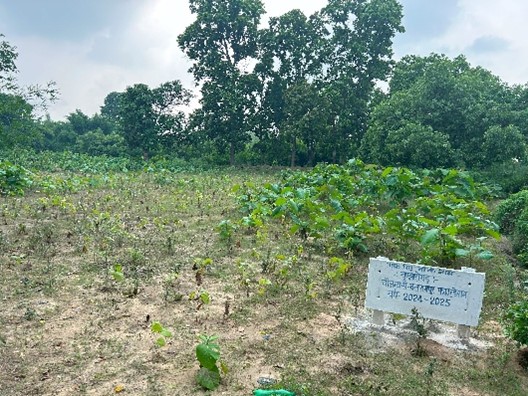
Our environmental initiatives focus on restoring ecosystems and conserving natural resources while promoting climate-conscious living. Afforestation drives using both Miyawaki and traditional plantation methods have expanded green cover, improving carbon sequestration and supporting ecosystem balance.
Promotion of renewable energy through solar lighting systems has provided clean, reliable illumination to rural communities while reducing dependence on conventional energy sources and lowering carbon emissions. These efforts help communities adopt sustainable practices and contribute to a greener environment.
Animal welfare is also a priority, with fodder supply initiatives supporting local biodiversity and fostering compassion. By combining ecological restoration, renewable energy, and community participation, these programs reflect a holistic environmental perspective, strengthening stewardship and enhancing resilience in rural areas.
Community Development
-

1383 SOLAR LIGHTS INSTALLED IN THE LAST 5 YEARS
-

MORE THAN 6 LAKH TREES HAVE BEEN PLANTED IN THE LAST 5 YEARS
-

AROUND 215 SCIENCE LABS HAVE BEEN INTRODUCED AT SCHOOLS IN THE LAST 5 YEARS
-

IN THE LAST 5 YEARS ALMOST 101 WATER BODIES HAVE BEEN REJUVENATED
Miscellaneous
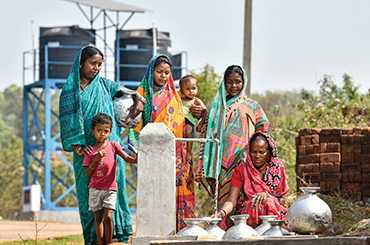
The Company is also engaged in the following welfare activities –
- Drinking water facility
- Disaster management
- Conservation of Natural Resources
- Sanitation
- Rural Development